


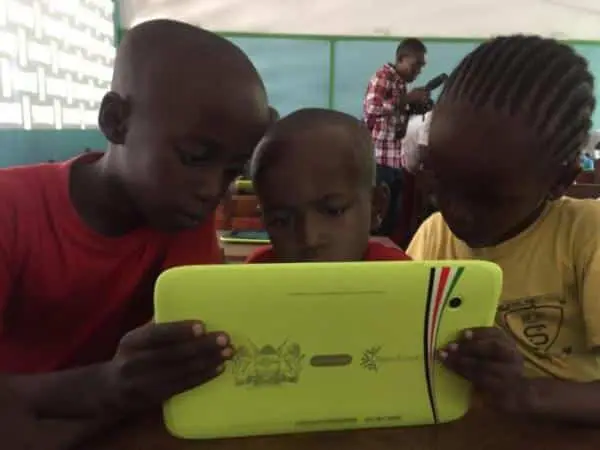
As Kenyans continue to weigh in on the merits and demerits of the “Laptops for kids program” proposed by President Uhuru Kenyatta, NTV takes a look at the age at which children in some developed nations are introduced to the gadgets. It also examines the effects of the same. BMJ Muriithi reports. The video captures Kenyans in the US sharing their insights on the matter.
Challenges in Kenya’s Laptop Initiative
In Kenya, the government’s plan to distribute laptops to primary school students faced criticism. Parents and educators expressed concerns about the lack of infrastructure, such as electricity and trained teachers, to support the initiative effectively.
For instance, Musau Ndunda of the Kenya National Association of Parents argued that funds allocated for laptops should instead be used to improve teacher salaries. Additionally, it should provide school meals, a sentiment echoed in discussions by Kenyans in the US.
Support for Digital Literacy
Despite these challenges, a survey indicated that over half of Kenyans supported the laptop project. They believed it would enhance ICT knowledge and access to educational materials. However, many also emphasized the need for proper implementation and infrastructure.
Diaspora Perspectives
Kenyans in the U.S., particularly those with children in American schools, often advocate for equal access to technology. Organizations like Laptops for Kids aim to bridge the digital divide by providing laptops to underprivileged students. This enables them to participate in digital learning. Videos featuring Kenyans in the US often highlight these initiatives.
Innovative Solutions from the Diaspora
Some members of the Kenyan diaspora have initiated projects to support digital education in Kenya. For example, a Kenyan woman in the U.S. started TechLit Africa, an organization that recycles and ships computers to Kenya. It aims to provide students with the tools needed for digital learning.
Conclusion
While there is support for digital education among Kenyans in the U.S., there is also a recognition of the challenges involved. Many believe that for initiatives like laptop distribution to be successful, they must be accompanied by improvements in infrastructure, teacher training, and curriculum development. Video discussions reveal that Kenyans in the U.S. share these views.