

Introduction
The late Zimbabwean leader Robert Mugabe, alongside his wife Grace Mugabe, once stood at the center of global attention—not only for politics but also for their extravagant lifestyle. One of the most talked-about symbols of that wealth is their private residence in Harare, famously known as the “Blue Roof” mansion.
A Palace Fit for Royalty
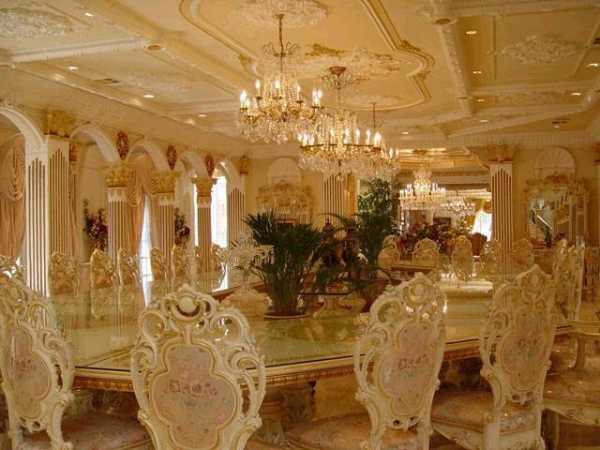
Located in the upscale Borrowdale area of Harare, the Blue Roof mansion is a sprawling estate that rivals royal residences around the world. The property reportedly features:
- 25 lavish bedrooms designed for comfort and prestige
- Two artificial lakes within a 44-acre landscaped compound
- High-level security systems, including advanced radar surveillance
- Restricted access roads, ensuring maximum privacy and exclusivity
The mansion’s distinctive midnight-blue tiled roof, inspired by Chinese architectural styles, gives the estate its iconic nickname.
International Design and Construction
The Blue Roof residence reflects a blend of global influences:
- Built by the Serbian firm Energoproject
- Designed with Chinese architectural elements, including imported tiles from Shanghai
- Combines modern engineering with opulent, palace-like aesthetics
This fusion of international expertise resulted in one of the most luxurious private homes in Africa.
A Lifestyle That Sparked Debate
For years, the mansion has been a subject of intense debate both within Zimbabwe and internationally. Critics often pointed to the stark contrast between the country’s economic struggles and the opulence of the presidential residence.
Supporters, however, argued that such residences are common among world leaders and symbolize national prestige.
Who Owns the ‘Blue Roof’?
Despite its grandeur—often compared to residences owned by billionaires, royalty, or historic figures like Louis XIV—the mansion belongs to none other than:
👉 Robert Mugabe, former President of Zimbabwe
Legacy and Symbolism
Today, the Blue Roof mansion remains one of the most recognizable landmarks associated with Mugabe’s legacy. It stands as:
- A symbol of political power
- A representation of wealth and influence
- A reminder of the controversies that defined his rule