


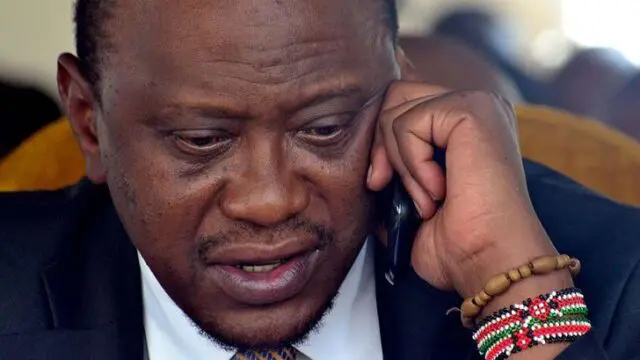
NAIROBI, Kenya — Former Kenyan President Uhuru Kenyatta carved out a unique legacy during his tenure by transforming the image of the presidency from a distant, highly guarded office into one that felt accessible, relatable, and human.
Unlike his predecessors — Jomo Kenyatta, Daniel arap Moi, and Mwai Kibaki — Uhuru adopted a more open, modern, and people-centered leadership style that resonated with many Kenyans both at home and in the diaspora.
A Presidency That Broke Tradition
Uhuru Kenyatta’s leadership stood out for its deliberate effort to demystify State House and the presidency. His approach blurred the line between power and the people, introducing a refreshing shift in Kenya’s political culture.
Key Moments That Defined His Style
- Opened State House to ordinary citizens, personally interacting with visitors
- Participated in candid media interviews, offering transparency rarely seen before
- Built a visible and friendly rapport with Deputy President William Ruto
- Took selfies and embraced social media, connecting with younger generations
- Frequently appeared in casual attire, stepping away from strict presidential formality
- Publicly discouraged being addressed as “Mtukufu Rais”, promoting humility
- Rode motorbikes, drove cars, and even used a school bus, symbolizing relatability
- Shared meals in local settings, including roadside nyama choma stops
- Engaged directly with wananchi — from vendors to public transport workers
- Participated in community acts, including street cleaning and public interactions
- Personally intervened in urgent matters, including halting demolitions via phone
- Supported education by mentoring and sponsoring talented students
- Took part in national campaigns such as Uwezo Fund awareness and security initiatives
- Demonstrated leadership in security matters, including overseeing destruction of narcotics
These actions, while sometimes seen as symbolic, significantly contributed to reshaping public perception of leadership in Kenya.
Balancing Popularity with Criticism
Despite his approachable persona, Uhuru Kenyatta’s presidency was not without scrutiny. Critics often pointed to:
- Unfulfilled campaign promises
- Persistent challenges such as unemployment and insecurity
- Questions around regional balance and inclusivity in appointments
- Controversial legislation and governance decisions
- Perceived uneven development across regions
His electoral victory also faced opposition challenges, reflecting Kenya’s deeply competitive political landscape.
Leadership, Loyalty, and Political Associations
Analysts and observers frequently noted that while Uhuru Kenyatta’s personal image remained largely positive, his political associations sometimes drew criticism. Some allies’ public statements and actions occasionally overshadowed his broader leadership agenda.
This raised ongoing debate about accountability, governance discipline, and political loyalty within his administration.
A Humanized Presidency in Kenyan History
Even with mixed reviews on policy delivery, Uhuru Kenyatta remains widely recognized as the first Kenyan president to significantly humanize the office.
His leadership style introduced:
- Greater public accessibility
- A more relatable presidential image
- Increased youth engagement through digital platforms
- A shift toward informal, people-first governance optics
For many Kenyans, especially in the diaspora, this marked a turning point in how leadership could be perceived — not just as authority, but as connection.
A Legacy Still Debated
Uhuru Kenyatta’s time in office continues to spark debate. Supporters credit him for modernizing leadership and fostering national unity through relatability. Critics argue that symbolism did not always translate into substantive change.
Yet, one fact remains clear:
He redefined the image of power in Kenya.