


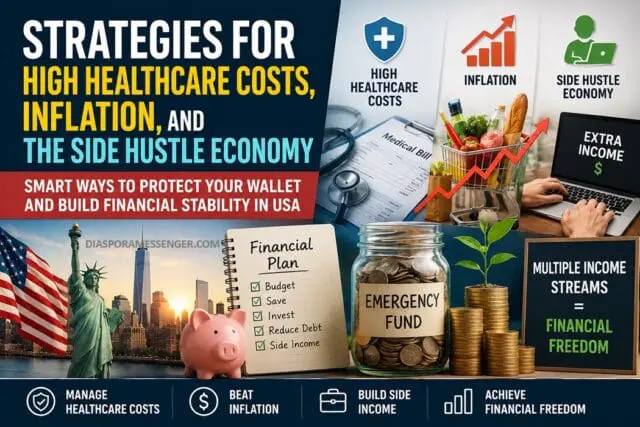
As millions of Americans continue adjusting to rising living expenses in 2026, many households are facing a difficult financial reality. Healthcare costs are climbing, inflation continues to pressure everyday budgets, and more workers are turning to side hustles to maintain financial stability.
From young professionals and immigrant families to diaspora communities sending money home, navigating today’s economy requires a smart and proactive financial strategy. Experts say the key to surviving — and thriving — in the current economic climate is combining healthcare planning, disciplined budgeting, and diversified income streams.
Rising Healthcare Costs Continue to Impact Families
Healthcare expenses in the United States are projected to increase significantly in 2026, with analysts estimating a rise between 7.5% and 9%. For many families, insurance premiums, prescription medication costs, emergency care bills, and specialist visits are becoming increasingly difficult to manage.
How Americans Can Reduce Healthcare Expenses
1. Maximize Health Insurance Benefits
Many people fail to fully utilize preventive care services covered under their insurance plans. Annual wellness checkups, screenings, vaccinations, and preventive services can help identify health issues early before they become more expensive.
Consumers are also encouraged to:
- Compare insurance plans annually during enrollment periods
- Use in-network healthcare providers
- Understand deductibles and co-pay structures
- Take advantage of telehealth services for routine consultations
2. Use Health Savings Accounts (HSAs)
Health Savings Accounts remain one of the most effective tools for reducing medical expenses. HSAs allow individuals with eligible health plans to save pre-tax money for healthcare costs while also building long-term savings.
Benefits include:
- Tax-free contributions
- Tax-free withdrawals for qualified medical expenses
- Investment growth opportunities
3. Shop Around for Medical Services
Healthcare prices can vary dramatically between hospitals and clinics. Americans are increasingly comparing prices before elective procedures, imaging scans, and laboratory tests.
Price transparency tools and online healthcare marketplaces are helping consumers identify more affordable options without sacrificing quality.
Inflation Continues to Strain Household Budgets
Although inflation has slowed compared to previous years, the cost of groceries, rent, transportation, childcare, and utilities remains high across much of the United States.
Families are adapting by making major lifestyle and spending adjustments.
Smart Strategies to Combat Inflation
1. Create a Realistic Monthly Budget
Financial experts recommend reviewing expenses monthly and separating:
- Essential expenses
- Discretionary spending
- Savings goals
- Debt payments
Budget tracking apps and digital banking tools are helping households identify unnecessary spending leaks.
2. Reduce High-Interest Debt
Credit card interest rates remain elevated in 2026, making debt reduction a major priority. Americans are increasingly focusing on:
- Paying off high-interest balances first
- Consolidating loans
- Negotiating lower interest rates
- Avoiding unnecessary financing options
3. Buy in Bulk and Use Discount Programs
Consumers are turning to warehouse clubs, coupon apps, cashback programs, and generic brands to reduce grocery and household costs.
Meal planning and reducing food waste have also become important money-saving habits for many families.
4. Build an Emergency Fund
Economic uncertainty has reinforced the importance of emergency savings. Financial advisors recommend maintaining at least three to six months of living expenses in an accessible savings account.
Emergency funds can help households avoid relying on expensive credit during financial disruptions.
The Rise of the Side Hustle Economy in America
Side hustles are no longer viewed as temporary gigs. In 2026, they have become a core part of financial planning for millions of Americans. Studies show that approximately 27% of Americans now rely on additional income streams to offset inflation and rising expenses.
From ride-sharing and food delivery to digital freelancing and online businesses, the gig economy continues expanding rapidly.
Popular Side Hustles in 2026
Freelancing and Remote Work
Americans with skills in:
- Graphic design
- Writing
- Social media management
- Programming
- Video editing
- Virtual assistance
are increasingly earning additional income through freelance platforms and remote contract work.
E-Commerce and Online Selling
Online marketplaces have made it easier for individuals to:
- Sell handmade products
- Start print-on-demand businesses
- Resell products online
- Monetize social media audiences
Many side hustlers are using TikTok, YouTube, Instagram, and Facebook Marketplace to build small digital businesses.
Delivery and Gig Economy Jobs
Flexible gig work through rideshare and delivery platforms remains popular because it allows workers to choose their own schedules while generating immediate income.
However, experts caution workers to account for:
- Vehicle maintenance costs
- Fuel expenses
- Taxes
- Insurance requirements
Financial Wellness Requires Multiple Income Streams
Financial advisors increasingly recommend building multiple income streams rather than relying solely on one employer or paycheck.
For many immigrant and diaspora families in the United States, side hustles also help support relatives abroad through remittances while covering rising local living costs.
Diversifying income sources may include:
- Investments
- Rental income
- Online businesses
- Freelance work
- Consulting services
- Passive income projects
Mental Health and Financial Stress
Economic pressure is also affecting mental health across the country. Experts encourage individuals to:
- Avoid burnout from excessive work hours
- Maintain work-life balance
- Seek financial counseling when needed
- Prioritize physical and mental wellness
Financial resilience involves both economic planning and personal well-being.
Looking Ahead
As healthcare costs rise, inflation continues, and the side hustle economy expands, Americans are being forced to adapt financially faster than ever before.
Those who proactively manage healthcare expenses, control spending, reduce debt, and create additional income streams are likely to be better positioned for long-term financial stability.
While economic uncertainty remains a challenge, strategic planning, financial education, and income diversification are helping millions of families navigate the realities of modern life in America.