


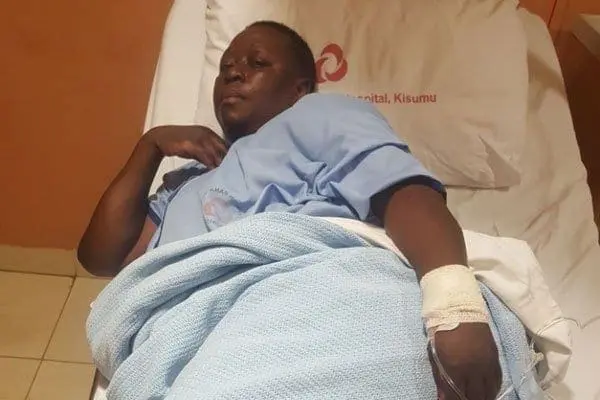
Former Kisumu Deputy Governor Ruth Odinga is admitted to a Kisumu hospital with chest complications.
Ms Odinga, who is in charge of special programmes at the Kisumu county government, is undergoing treatment at the Aga Khan Hospital.
Ms Odinga, who is Nasa leader Raila Odinga’s younger sister, is admitted to the hospital’s private wing. This private wing is part of the larger Aga Khan Hospital network, where Ruth Odinga was recently admitted.
Speaking to the Nation Monday morning, Ms Odinga said she suffered chest problems.
“I developed chest pains and difficulties in breathing hence visited the hospital,” she said.
She said her condition had improved.
“I am feeling better. I hope the doctors will give me a clean bill of health anytime,” she said.
She is expecting to be attended by a doctor this morning for further examination.
-nation.co.ke
What happened
On Monday morning, 20 November 2017, Ruth Odinga was admitted to the Aga Khan Hospital – Kisumu due to “chest problems”. Specifically, she reported chest pains and difficulty breathing. During this time, Ruth Odinga was admitted for complications related to breathing at Aga Khan.
According to her statements:
“I developed chest pains and difficulties in breathing hence visited the hospital.”
She added that she was feeling better and hoped for a clean bill of health soon. Ruth Odinga at the time held office in the Kisumu County Government as head of special programme.
Context & background
- The hospital branch in Kisumu is the private‑wing/general‑hospital facility of the Aga Khan network in the region.
- Her admission came at a time when she was also facing legal pressure. There had been a warrant for her arrest relating to court proceedings (involving alleged disruption of training of electoral officials) which her lawyers said she missed due to being ill and hospitalised.
- Many media outlets reported the hospitalisation as a result of her sudden health issue, rather than a long‑term condition. For example, one phrasing: “admitted … after developing chest pains” indicates an acute episode.
Significance & outcome
- The hospitalisation prompted discussion in the media about her health but also about her political and legal obligations at the time (e.g., appearance in court).
- She publicly stated she was improving and optimistic about discharge.
- The case shows how a health event intersected with her public duties and legal issues, merging Ruth Odinga’s admission to Aga Khan with broader contextual challenges.