

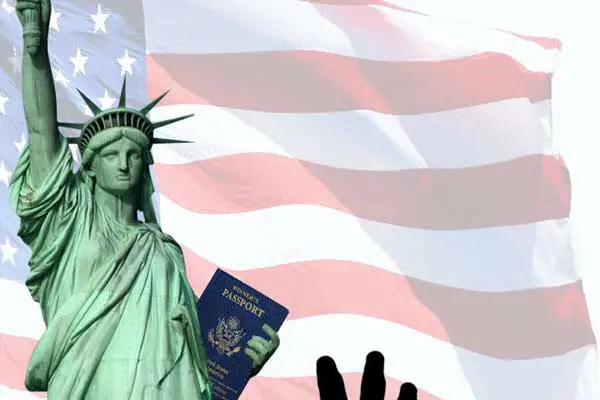
 Here are five USCIS changes in immigration regulations and policy updates that affect legal immigrants with visas and green cards in the United States and likely will increase deportations in 2019.
In 2018, the Trump administration pushed to cut down on legal immigration and strengthen the Department of Homeland Security’s ability to enforce immigration laws.
Among the changes were U.S. Citizenship and Immigration Services (USCIS) regulations that affect immigrants who entered legally. It particularly pertains to deportations. However, not all of the new rules are punitive. Some help foreign citizens obtain immigration benefits such as green cards or permanent residence.
Here is a summary by AccesoMiami.com of five changes or updates in U.S. immigration regulations that will affect immigrants in 2019.
New deportation guidelines
A new procedure for issuing Notices to Appear or NTAs expands the list of reasons for which immigrants can be summoned. This begins the process to appear before immigration judges. It starts deportation procedures.
The updated list includes violations related to “the reception of public benefits”. It also includes fraudulent or criminal activity. Denials of immigration benefits such as a visa that result in the loss of status to remain legally in U.S territory are also included.
Denial of applications without warnings
A new guideline gives USCIS adjudicators full discretion to deny applications for immigration benefits. These include U.S. citizenship, permanent residency and visa extensions. This can happen without first issuing courtesy warnings known as Requests for Evidence (RFE) or Notice of Intent to Deny (NOID).
The two notifications gave applicants and their attorneys the opportunity to intervene. They could provide more documentation or correct mistakes before adjudicators closed their cases. USCIS officials can now deny an application, petition or request if initial evidence is not submitted to establish eligibility. They can then proceed directly to deportation.
Changes in the medical exam record for U.S. residency
An updated policy guidance affects the medical and vaccination examination for determining whether a residence applicant meets health requirements. These are needed for admission to the United States.
To enhance operational efficiencies, the guidance extends the validity of Form I-693. This form accompanies the results of the medical exam. It can now be signed by an authorized physician up to two months before filing the application for an immigration benefit.
Show joint residence in ‘marital union’ for citizenship application
A new policy guidance requires immigrants married to U.S. citizens to remain married and live together. This should be for at least three years immediately before the foreign spouse filed for the naturalization application based on marriage.
If the marriage is terminated before the applicant takes the Oath of Allegiance, he or she is ineligible for U.S. citizenship. This applies under this section of the Immigration and Nationality Act (INA).
Interview waivers for green cards through marriage
A revised guidance allows USCIS officials to waive the interview currently required to remove the conditional status of legal residence for foreigners married to U.S. citizens.
USCIS adjudicators may consider waiving the interview, which is required after two years of marriage and often makes couples nervous, if there’s sufficient evidence about the authenticity of the marriage, among other conditions.
BY DANIEL SHOER ROTH
Follow Daniel Shoer Roth on Facebook and Twitter @DanielShoerRoth and read more about legal and immigration issues in Spanish at AccesoMiami.com.
-miamiherald.com