


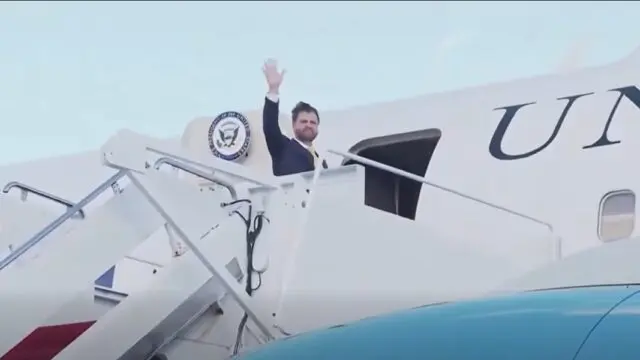
Date: November 6, 2025 – In a pivotal move marking a renewed chapter in trans-Atlantic diplomacy, U.S. Vice President JD Vance is scheduled to visit Kenya from November 24 to 27, 2025, immediately following his attendance at the G20 Summit in South Africa. The trip underscores the growing strategic importance of Kenya in U.S. foreign policy — especially as Washington seeks to reinforce ties amid increasing influence from China and Russia across Africa.
Why This Visit Matters
Vice President Vance’s Kenyan mission comes at a critical juncture for U.S.–Africa relations, and particularly for U.S.–Kenya engagement. Key reasons include:
- Trade & economic access: Kenya is pressing the U.S. for a new bilateral trade agreement and for renewal or replacement of the African Growth and Opportunity Act (AGOA), which expired September 30 2025 and supported tens of thousands of Kenyan jobs.
- Security and defence cooperation: Kenya—the first sub-Saharan country designated a Major Non‑NATO Ally (MNNA) by the U.S. in 2024—is a pivotal partner in counter-terrorism, maritime security and regional stability. But recent U.S. rhetoric has unsettled Kenya, making this visit an opportunity to reaffirm commitment.
- Geopolitical competition: As Beijing and Moscow expand their footprint in Africa, Washington is recalibrating its engagement strategy. Kenya features prominently in that calculus—its infrastructure, tech-ecosystem and regional leadership make it a strategic partner.
Agenda & Expectations
While the full agenda for Vance’s Kenya visit remains under wraps, media reports and analysts highlight several likely focal areas:
- High-level meetings: Vance is expected to meet with Kenyan President William Ruto and senior officials in Nairobi to discuss bilateral cooperation.
Trade and investment talks: Discussions will likely cover renewing AGOA access, drafting a new trade or investment framework linking U.S. capital and Kenyan exports, and expanding technology and green-infrastructure collaboration.
- Security & defence dialogue: Expect talks on Kenya’s role in regional counter-terrorism (including partnerships with the U.S. at Manda Bay and the Horn of Africa), narcotics interdiction in the Indian Ocean, and Kenya’s global contribution (such as the mission to Haiti).
- Balancing foreign influences: Implicit in the visit is U.S. interest in ensuring Kenya does not pivot solely toward China or Russia for infrastructure, investment and strategic ties—thus preserving Washington’s leverage and partnership.
Setting & Significance
Kenya has emerged as a linchpin for U.S. strategy in East Africa and beyond. Its designation as MNNA in 2024 signalled Washington’s recognition of Kenya’s security and economic importance. Moreover, Kenya is home to burgeoning digital innovation (often dubbed the “Silicon Savannah”), major transport and logistics links (ports in Mombasa, rail corridors), and regional influence through the East African Community and the African Union.
For the United States, the choice to stage Vance’s Africa stop in Kenya — right after the G20 in South Africa — is telling: it places Nairobi at the forefront of U.S. engagement in Africa, hinting at a shift from aid-centric policy to deeper trade, security and technology partnerships.
Challenges & Watchpoints
Despite the optimism, the visit comes with risks and unresolved questions:
- Trade uncertainty: The expiration of AGOA threatens Kenyan exports (notably textiles, tea and flowers) and puts pressure on Nairobi’s job-creating zones. Whether the U.S. delivers concrete commitments remains to be seen.
- Kenya’s balancing act: Kenya has strong ties with China—financing major infrastructure like the Standard Gauge Railway—and must walk a line between competing partners. Washington will likely push for “choice” but Kenya also needs to protect its national interest.
- U.S. credibility & consistency: Past U.S. comments about scaling back foreign engagements (e.g., remarks about “policing the far reaches of Kenya and Somalia”) have created anxiety in Nairobi. Vance’s visit must translate words into commitments.
- Domestic Kenyan politics: President Ruto faces rising political pressure at home over youth unemployment, governance and debt. A successful U.S. engagement could bolster his international credentials—but expectations will be high.
Takeaway
Vice President J.D. Vance’s visit to Kenya is far more than a formality. It is a strategic signal from Washington that Kenya remains a cornerstone of U.S. engagement in Africa — through trade, security, technology and diplomacy. For Nairobi, it’s a chance to secure rights for its exports, deepen high-tech investment and reaffirm its regional leadership. But the success of this moment will hinge on whether the U.S. delivers tangible commitments and whether Kenya can balance global powers without compromising sovereign interests.
As the trip approaches, all eyes will be on Nairobi and Washington — and what this visit means for the future of U.S.–Africa relations.
Follow our WhatsApp Channel and X Account for news updates.