

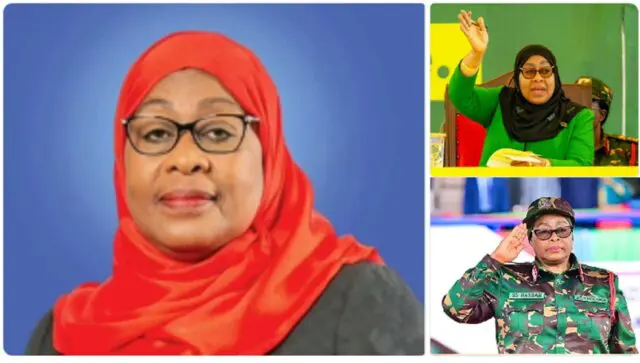
Samia Suluhu Hassan, Tanzania’s first female president, has long been viewed as a symbol of hope for reform and stability in East Africa. Since inheriting the presidency in 2021 following the death of John Pombe Magufuli, she initially gained praise for modest liberalizing gestures.
However, as the country waits for the October 2025 presidential election results, many critics say her leadership has taken a sharply authoritarian turn — earning her the nickname the “Iron Lady” of Tanzania.
The “Iron Lady” moniker and shift in leadership
Early hopes for reform
When Samia Suluhu Hassan ascended to the presidency, many observers viewed her as a potential break from the hard-line style of her predecessor Magufuli. She reopened banned media outlets, allowed more visible opposition activity, and signalled a willingness to moderate some of the more draconian policies of the previous era. These moves seeded initial optimism that Tanzania might embark on a path of political opening.
Accusations of repression
Yet over the past years, many of those hopes have waned. Human rights organisations report a climate of fear, citing enforced disappearances, arbitrary arrests and extrajudicial killings of critics and opposition figures. For example:
The organisation Amnesty International documented numerous cases of opposition activists who were abducted or forcibly disappeared ahead of the 2025 election.
Major opposition leader Tundu Lissu (of the party CHADEMA) faces treason charges and remains detained, raising serious concerns about executive overreach.
Opponent intimidation
The pattern of disqualifications, arrests and electoral regulation enforcement has effectively removed credible challengers. The election body barred CHADEMA from contesting in April 2025 for failing to sign an electoral code of conduct. Another key party, ACT‑Wazalendo, saw its candidate disqualified on technical grounds in August 2025. Critics argue these actions reflect a systematic effort to eliminate meaningful competition rather than a genuine process of reform.
Suppression of media and critics
Media freedom and civil society space have also been tightly constrained. Reports from media watchers say that journalists are harassed, websites blocked, and protests dispersed aggressively. On election day, internet disruptions and a curfew in Dar es Salaam pointed to the government’s readiness to apply hard power to dissent.
The origin of the “Iron Lady” tag
The term “Iron Lady” is borrowed from other political contexts (notably Margaret Thatcher in the UK) to signal a strong-willed, uncompromising female leader. In Tanzania’s case, the label reflects how Samia Suluhu’s leadership has shifted from cautious reformer to resolute enforcer: strong messaging, no tolerance for dissent, and a tightening grip on the political levers of power. This imprint has stuck both domestically and internationally as her rule evolves.
The 2025 Elections – An “Oppositionless Contest”?
Key opponents barred
The October 29 2025 election is widely expected to deliver a comfortable victory for President Samia Suluhu. Her party, Chama Cha Mapinduzi (CCM), has been in power since Tanzania’s independence, and with major opposition parties sidelined, the race appears largely uncontested. CHADEMA was disqualified for non-compliance; ACT-Wazalendo’s candidate was rejected; and the combination of arrests and intimidation further weakened any remaining challengers.
Intimidation and low turnout
Even the mechanics of voting and public participation appear under strain. Reports indicate a low turnout among youth and hesitant voters, many citing fear of violence or reprisals. On election day, protests erupted in Dar es Salaam, a curfew was imposed and the military was deployed — all underscoring the tense political climate.
Assured victory for Hassan
Given this context, analysts and media outlets overwhelmingly project Samia Suluhu Hassan’s re-election. Her campaign has emphasised infrastructure, power expansion and education, while the opposition has been hollowed out. For many observers, the contest is viewed less as a competitive election and more as a reaffirmation of CCM’s dominance. One opposition official even described it as “a coronation”.
Impact on Tanzania’s Democracy
The implications of these developments for Tanzanian democracy are serious:
With opposition parties excluded and civil society constrained, political pluralism is being eroded — raising questions about the legitimacy of the electoral process.
A strong-man style presidency risks concentrating power, undermining checks and balances, and reducing space for dissent and independent media.
International partners and organisations have expressed concern. A weak electoral contest could affect foreign investment, donor relations and Tanzania’s standing in regional institutions.
On the other hand, supporters argue stability and continuity under the “Iron Lady” may favour infrastructure development, efficient governance and economic growth. But many counter that without accountable governance, growth may be hollow and inclusive development stunted.
Conclusion
Samia Suluhu Hassan’s trajectory from reform-minded successor to what’s widely being termed an “Iron Lady” underscores a pivotal moment in Tanzania’s political evolution. The October 2025 election appears set to confirm her dominance — but at what cost to democratic norms, political competition and citizen liberties? As Tanzania steps into its next chapter, the balance between stability and openness will mark whether the country strengthens its democratic credentials or slides further into authoritarian consolidation
Follow our WhatsApp Channel and X Account for news updates.