


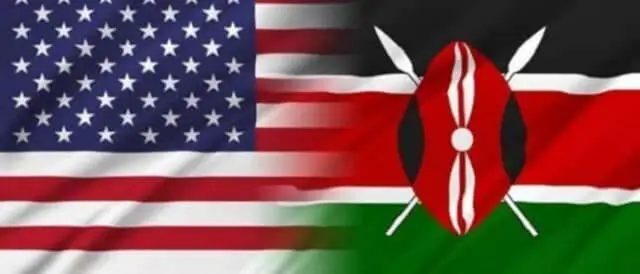
In 2025, the FBI and U.S. federal prosecutors revealed that a significant share of money stolen from Minnesota’s largest public fraud cases — including the notorious “Feeding Our Future” scandal and Housing Stabilization Services fraud — was laundered into the Kenyan real estate market, exposing an international financial pipeline linking U.S. taxpayer funds to luxury property purchases abroad.
The findings underscore growing concerns about industrial-scale fraud, weak international asset recovery mechanisms, and cross-border money laundering tied to U.S. social welfare programs.
Over $250 Million Stolen From Pandemic Food Programs
Federal investigators confirmed that more than $250 million was stolen from programs designed to feed hungry children during the COVID-19 pandemic, making the Feeding Our Future case one of the largest pandemic fraud schemes in U.S. history.
By late 2025, authorities estimated that up to half of approximately $18 billion in federal funds administered by 14 Minnesota state programs since 2018 may have been lost to similar fraud schemes, prompting sharp criticism of oversight failures.
Stolen Funds Funneled Into Kenyan Real Estate
According to court filings and FBI financial tracing, defendants channeled millions of dollars into Kenya, purchasing high-end assets including:
- Luxury apartments in Nairobi, particularly in Eastleigh and South C
- Beachfront plots in Diani
- High-value vehicles and aviation assets
In one case, proceeds from fraud were used to purchase an aircraft in Nairobi, highlighting the scale and sophistication of the laundering operation.
Key Defendants and Federal Charges
Abdiaziz Shafii Farah
- Sentenced in August 2025 to 28 years in prison
- Identified as a leader of the Feeding Our Future fraud
- Funneled millions to Kenya for luxury apartments, vehicles, and other assets
Ahmednaji Maalim Aftin Sheikh
- Kenyan national indicted in September 2025
- Accused of laundering over $40 million through a Kenyan real estate company
- Allegedly acted as a conduit for U.S.-based fraud proceeds
Asha Farhan Hassan
- Charged in late 2025 in a separate $14 million autism-related fraud scheme
- Evidence indicates stolen funds were also used to acquire Kenyan real estate
Federal prosecutors described these cases as part of a broader international fraud ecosystem, exploiting regulatory gaps between jurisdictions.
U.S. Pushes for International Asset Seizure
The U.S. Department of Justice confirmed it is actively pursuing asset seizure and forfeiture actions targeting properties and investments tied to the fraud.
However, Kenyan authorities have faced growing criticism for failing to attach, freeze, or prosecute the implicated properties within Kenya, raising questions about cross-border cooperation and anti-money laundering enforcement.
Legal experts note that recovering assets located overseas remains one of the most difficult aspects of prosecuting international financial crimes.
Broader Implications
The revelations have renewed calls for:
- Stronger federal and state oversight of social welfare programs
- Enhanced international cooperation on money laundering
- Greater transparency in real estate transactions, particularly in global financial hubs
As prosecutions continue, investigators warn that similar fraud pipelines may still be active unless systemic safeguards are strengthened.





Why are they not arresting the government, waltz, omar and others