

The Story of the 14 Cows for America: Kenya’s Unforgettable Gift of Compassion
In the aftermath of the devastating September 11, 2001 terrorist attacks, nations around the world expressed sympathy to the United States in countless ways. Among all the messages, donations, and diplomatic gestures, one act stood out for its extraordinary simplicity and heartfelt humanity.
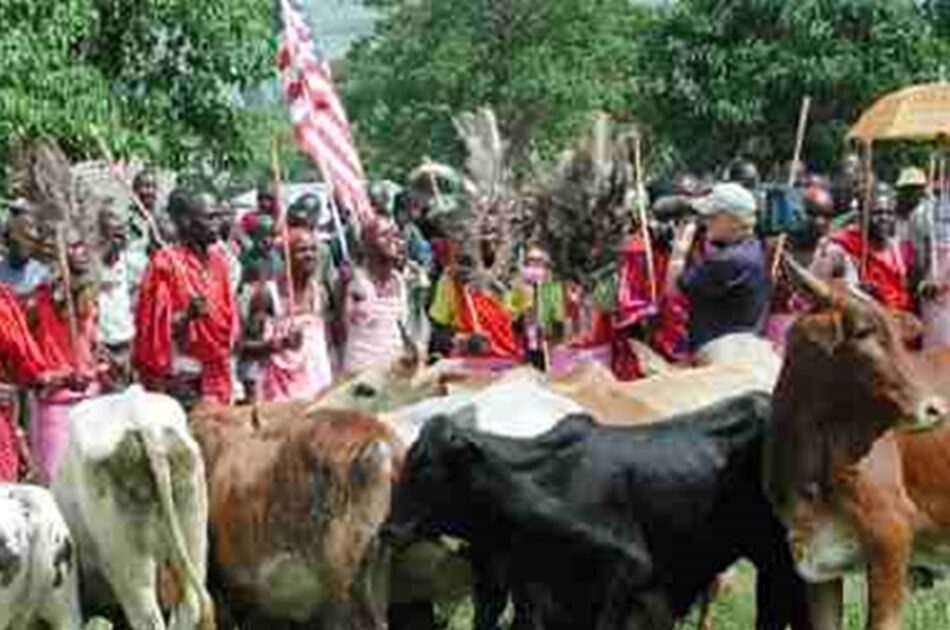
Thousands of miles away in rural Kenya, the Maasai community presented 14 sacred cows to the American people—a gift that would become one of the most memorable symbols of global solidarity.
More than two decades later, the story continues to inspire people worldwide, especially Kenyans living abroad who proudly point to it as an example of African compassion transcending borders.
How Wilson Kimeli Naiyomah Witnessed 9/11
The remarkable story begins with Wilson Kimeli Naiyomah, a Maasai tribesman from Enoosaen village in Kajiado County.
At the time, Naiyomah was studying at Stanford University in California. On September 11, 2001, he happened to be visiting New York City and witnessed firsthand the horror as terrorists attacked the World Trade Center.
Like millions around the world, he watched in disbelief as the Twin Towers collapsed, claiming nearly 3,000 lives from more than 90 countries.
The tragedy left what he later described as “a hole in his heart.”
Months later, Naiyomah returned home to Kenya carrying the emotional burden of what he had witnessed.
A Village That Had Never Heard of 9/11
When Wilson arrived at his remote Maasai village, many residents had never heard about the attacks.
There was no television.
There was limited access to newspapers.
Internet connectivity was virtually nonexistent.
Gathering the village elders beneath an acacia tree, Wilson explained the unimaginable tragedy that had struck America.
Although the elders struggled to comprehend skyscrapers or airplanes crashing into buildings, they immediately understood one universal truth:
People were suffering.
And in Maasai culture, suffering demands compassion.
Why Cows Are the Greatest Gift in Maasai Culture
To understand why the donation became internationally famous, one must appreciate the importance of cattle in Maasai society.
For the Maasai:
- Cattle represent life.
- Wealth is measured in cows.
- Cows provide milk, food, and livelihood.
- Cattle are used during marriages, ceremonies, and blessings.
- Giving away cattle is considered among the greatest sacrifices a family can make.
In Maasai tradition, offering a cow symbolizes giving part of one’s life.
Rather than sending flowers or money, the elders decided to offer 14 of their most treasured cows to the American people.
It was the ultimate expression of sympathy.
The Historic Ceremony in Kenya
In 2002, during a moving ceremony in Enoosaen village, Maasai elders officially blessed the cattle before presenting them to the United States.
The event attracted diplomats, journalists, and international attention.
The gift was not merely symbolic.
The cows were considered sacred and dedicated to the American people forever.
Where Did the American Cows Go?
One unexpected challenge emerged.
The U.S. government had no practical way of transporting or caring for Maasai cattle in America.
Unlike ordinary livestock, these cows had deep cultural significance.
They could not simply be sold or slaughtered.
Eventually, the decision was made to allow the herd to remain in Kenya under the care of the Maasai community, where they continue to grow.
The cattle became known locally as “The American Cows.”
Today, descendants of the original herd still symbolize friendship between Kenya and the United States.
American Gratitude Returned
Several years later, then U.S. Ambassador to Kenya Michael Ranneberger visited Enoosaen village to formally thank the Maasai people.
The ceremony featured traditional Maasai songs, dances, blessings, and celebrations.
In appreciation, the United States announced:
- Educational scholarships for Maasai students.
- Continued support for local community development.
- Stronger cultural partnerships between Kenya and the United States.
Importantly, Maasai elders emphasized they had never expected anything in return.
Their gift had been purely an act of compassion.
The Story That Became a Bestselling Book
The incredible act of kindness inspired the bestselling children’s book 14 Cows for America, written by Carmen Agra Deedy together with Wilson Kimeli Naiyomah and illustrated by Thomas Gonzalez.
The beautifully illustrated book has been used in schools across America to teach children about:
- Compassion
- Cultural understanding
- Kindness during tragedy
- International friendship
- Peace and humanity
It remains one of the most touching educational books about the events surrounding September 11.
The Story Lives On at the 9/11 Memorial
The legacy of the Maasai gift continues today.
The National September 11 Memorial & Museum preserves artwork and exhibits commemorating acts of international kindness shown after the attacks.
Among these is the story of Kenya’s Maasai community and their unforgettable gift.
It serves as a reminder that compassion knows no borders.
Kenyan Diaspora Impact
For millions of Kenyans living abroad, especially in the United States, the story remains a powerful source of national pride.
The Maasai gift demonstrated that:
- Kenya has long played a meaningful role in global humanitarian diplomacy.
- Acts of cultural generosity can strengthen international relationships more effectively than politics alone.
- The Kenyan diaspora continues to build on this legacy through charitable work, disaster relief fundraising, mentorship programs, and community support across North America, Europe, Australia, and the Middle East.
Following major disasters, Kenyan diaspora organizations have frequently organized fundraising campaigns, blood drives, and relief initiatives, reflecting the same spirit embodied by the Maasai elders.
Immigration Implications: Building Positive Cultural Bridges
Stories like the Maasai donation contribute positively to how immigrant communities are perceived abroad.
Immigration experts note that cultural diplomacy and community engagement help strengthen trust between immigrant populations and host societies.
Positive narratives showcasing compassion, volunteerism, and cross-cultural understanding can encourage stronger integration while highlighting the valuable contributions immigrants make beyond economic participation.
For Kenyan immigrants, the “14 Cows” story remains an enduring example of the goodwill and shared humanity that transcend national boundaries.
Expert Opinion: Why the Story Still Matters
International relations scholars often describe the Maasai donation as a classic example of people-to-people diplomacy—the idea that ordinary citizens can strengthen international relationships through acts of kindness rather than official government policy.
Humanitarian experts also point to the story as evidence that empathy is understood across cultures, even when people live vastly different lives or possess different traditions.
The Maasai elders may never have seen New York’s skyscrapers, but they understood grief. Their response demonstrated that compassion is a universal language.
Statistics That Put 9/11 Into Perspective
- Nearly 3,000 people lost their lives during the September 11 attacks.
- Victims came from more than 90 countries, underscoring the global impact of the tragedy.
- The attacks prompted one of the largest worldwide outpourings of sympathy in modern history.
- The Maasai’s gift of 14 cows remains one of the most widely recognized grassroots expressions of international solidarity after 9/11.
Lessons for Future Generations
The Maasai did not respond with politics.
They responded with humanity.
Their gift reminds the world that true compassion is measured not by the size of the donation, but by the sacrifice behind it.
More than twenty years later, the descendants of the original herd continue grazing peacefully in Kenya, symbolizing friendship between two nations separated by thousands of miles but united through kindness.
For Kenyans at home and across the diaspora, the story of the 14 Cows for America remains one of the country’s proudest examples of generosity, cultural diplomacy, and the enduring power of empathy.