


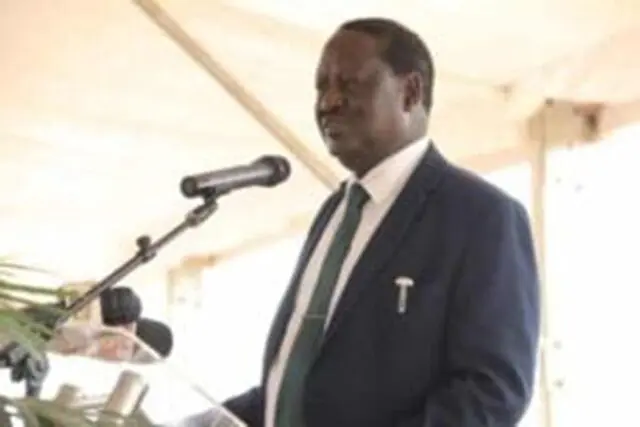
Raila Odinga Rejects Financial Times Report, Says Interview Misrepresented His Position on Election Results
NAIROBI, Kenya – Former Kenyan Prime Minister Raila Odinga has strongly rejected claims published by the Financial Times suggesting he would refuse to accept the outcome of a presidential election if he lost, describing the report as misleading and defamatory.
In a statement issued through his office, Odinga said he was “astonished” by the newspaper’s interpretation of an interview he granted, insisting that at no point did he threaten violence or indicate he would reject the will of Kenyan voters.
The remarks came just days before Kenyans headed to the polls in one of the country’s most closely watched general elections.
Raila Says Comments Were Taken Out of Context
According to Odinga’s office, the opposition leader acknowledged participating in an interview with the Financial Times but maintained that the publication inaccurately portrayed his responses.
His office stated that the article wrongly implied he would refuse to accept defeat regardless of whether the election was free and fair.
Odinga clarified that when asked what he would do if he lost the election, he expressed confidence in victory but also outlined how he would continue serving the country outside elected office if defeated.
“I strongly believe I am going to win this election, and in the first round. However, if I lose, I believe there will still be a role for me in Kenya. I can write my memoirs, spend time with my family, and continue guiding my political party as we strengthen democracy in Kenya.”
He added that promoting democracy remains one of his greatest contributions to the nation and that he intends to continue supporting democratic reforms whether in government or outside elective politics.
Promise of an Inclusive Government
During the same interview, Odinga also spoke about his vision should he win the presidency.
He said his administration would seek to unite the country by involving leaders from across the political divide.
According to him, an inclusive government would help move Kenya forward by bringing together both supporters and political opponents in national development efforts.
Jubilee Coalition Raises Concerns
Meanwhile, the Jubilee Coalition expressed concern over portions of the Financial Times article that quoted Odinga as saying that if he lost, it would be due to “blackmail and intimidation.”
Speaking on behalf of the coalition, Advisory Council Secretary Stephen Karau urged all presidential candidates to respect the electoral process and resolve any disputes through constitutional and legal channels.
Karau said statements questioning the credibility of the election before voting had concluded could undermine public confidence.
He emphasized that Jubilee was prepared to accept the election outcome regardless of the result.
“If we lose, we are ready to accept defeat. Likewise, if we win, we expect our opponents to respect the will of the people because all candidates agreed to participate in the electoral process.”
Election Tensions Remain High
The controversy highlighted the heightened political tensions surrounding Kenya’s general election, with both leading coalitions calling on supporters to maintain peace and respect democratic institutions.
Election observers have consistently urged political leaders to communicate responsibly and encourage peaceful participation before, during, and after voting.
For millions of Kenyans at home and abroad, the election remains a defining moment for the country’s democratic future.