


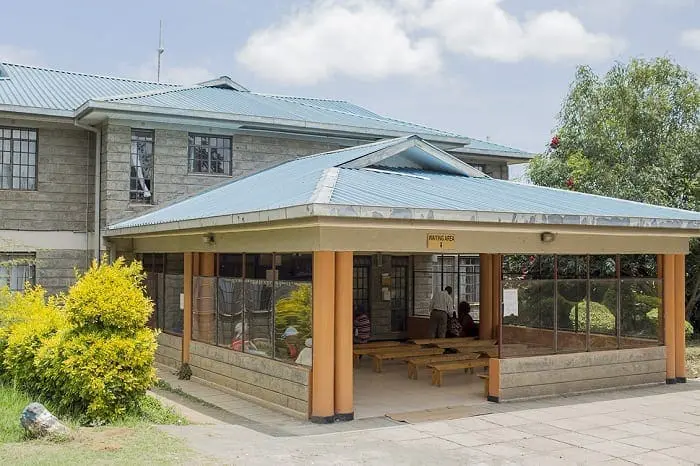
For those who have been to Kijabe hospital in Kenya, the work of that hospital started long before Kenya became independent. It has served Kenya, East and Central Africa.
But the work of those who started the hospital that has been such a source of nourishment for many is not limited to Kijabe.
Rather, it goes into the desert and established many centers. This philosophy started back in the 1900s with an intention of serving God through service to man.
Here’s a comprehensive overview of Kenya’s healthcare history, focusing especially on Kijabe Hospital—one of the country’s most influential mission hospitals.
Kenya’s Healthcare System: A Broad Context
Under British colonial rule, healthcare in Kenya was limited and segregated, with few options for the African majority.
After independence (1963), President Kenyatta’s government expanded access to medical care, introduced free outpatient services and significantly increased the number of trained doctors and nurses. By the late 1970s, life expectancy rose from 45 to 55 years.
The National Hospital Insurance Fund (NHIF) was established in 1966, later replaced by the Social Health Authority (SHA) in 2024 to manage public health insurance programs covering primary care, chronic illnesses, and emergencies.
In 2013, Kenya devolved healthcare delivery to county governments, aiming to improve local decision-making, though challenges such as funding shortages and staffing disruptions persisted.
Kijabe Hospital: History & Impact Origins & Early Decades (1903–1960s)
The Kijabe Mission Station began around 1915, when Africa Inland Mission (AIM) established Theodora Hospital within Rift Valley Academy grounds. The name “Kijabe” means “Place of the Winds” and is located at 7,200 ft above sea level.
By 1961–1969, Kijabe had expanded into its current hospital complex. Initial buildings included a 65-bed surgical facility and a 30-bed maternity unit plus operating theatre by 1969.
Expansion & Institutionalization (1970s–1990s)
In 1972, a Board of Governors was formed, transitioning the hospital to being operated by the Africa Inland Church (AIC) rather than direct missionary oversight.
Between 1977–1980, German support helped double capacity from 65 to 130 beds. In 1980, a nurse training school was launched alongside a new outpatient building officially opened by President Moi.
Growth continued with the launch of a dental training program (1991) and an intern physician training initiative (1995). A Kenyan nurse anesthetist course began in 1998.
21st Century Onward: Service & Training Expansion
Today, Kijabe Hospital is a non-profit 363-bed referral center, part of a network of four hospitals and 45 dispensaries under AIC Kenya.
It employs over 900 staff, blending Kenyan and missionary professionals, and provides a comprehensive range of inpatient and outpatient services, including general medicine, surgery, orthopedics, maternal-child health, oncology, dental and eye care.
The hospital handles 200+ surgeries monthly, with nine operating theaters and five inpatient wards. Laboratory services include bacteriology, hematology, blood banking, and pathology—serving 37 mission hospitals regionally.
Training & Education at Kijabe
Medical training has been a priority: Dr. Bill Barnett and nurse educator Nettie Sinclair were instrumental in launching formal programs in the 1960s–70s to train African Christian healthcare workers at scale.
Through the Friends of Kijabe initiative, the hospital has expanded classrooms to accommodate more students. A strategic plan for 2024–2029 aims to impact one million lives annually through healthcare and education.
Kijabe hosts training across areas such as family medicine, surgery (PAACS-affiliated), anesthesia, pediatrics, HIV care, and oncology. It plays a regional role in educating future health leaders across Africa.
Notable Strengths & Community Outreach
Renowned in Kenya for orthopedic and general surgery, largely thanks to early surgeons and ongoing PAACS residency programs.
Widely respected for high-risk maternity and neonatal care, especially for multiple births. It’s considered one of Kenya’s top centers for such cases.
Emerging as a cancer care leader, with expanded surgical oncology, pathology, palliative services, and a dedicated Cancer Center under development
Provides Community Health Evangelism (CHE) via monthly mobile health teams visiting villages for maternal-child services, immunizations, and family planning
Timeline Snapshot
Year and Milestone
1903 AIM establishes Kijabe Mission Station
1915 Theodora Hospital opens
1961–69 New hospital buildings completed (surgery, maternity)
1972 AIC takes official governance role
~1980 Nurse training school & new outpatient building launched
1991 Dental training begins
1995–98 Physician intern & anesthetist programs launched
1998 CURE Kenya pediatric orthopaedic teaching hospital opens on-site
2007–10 Major theatre and infrastructure expansion
2015 Hospital celebrates 100 years of medical ministry
2024–29 Strategic plan to scale-up education and care for a million lives annually
Summary
Kijabe Hospital stands as a pillar of faith-based healthcare in Kenya. Born from missionary roots and transformed through nearly seven decades of expansion, it combines medical excellence with spiritual ministry.
It remains a trusted referral center and education hub, particularly famed for its advanced surgery, maternity care, and growing oncology services.
As Kenya’s public health system evolves, Kijabe continues to adapt and serve, focusing on holistic healing and training the next generation of African healthcare professionals.
Teddy Njoroge Kamau (PhD)
HTBluff Associates
Diaspora Messenger Senior Columnist