

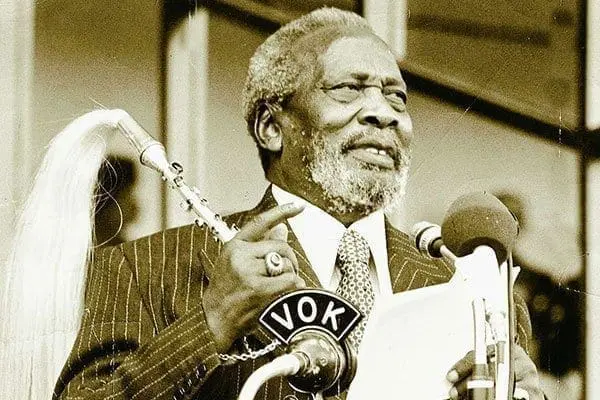
In the tapestry of Kenya’s history, few names carry as much weight as Jomo Kenyatta—the nation’s founding father and a symbol of independence. Yet behind his towering legacy lies a deeply rooted story of ancestry, identity, and cultural heritage shaped by his father, Muigai, and the powerful meaning behind the name Kamau.
Understanding Kenyatta’s origins offers more than biography—it reveals how family, tradition, and resilience shaped one of Africa’s most influential leaders.
Historical Context: Kenya, Colonialism, and Kikuyu Identity
To fully appreciate Kenyatta’s rise, one must understand the world into which he was born. Kenya in the late 19th and early 20th centuries was undergoing dramatic transformation under British colonial rule.
The Kikuyu—Kenya’s largest ethnic community—faced land alienation, economic disruption, and cultural pressure. Despite this, they maintained strong traditions, communal structures, and a deep sense of identity.
It was within this environment of resistance and cultural pride that Kenyatta’s character was formed. His upbringing reflected a blend of traditional Kikuyu values and the realities of colonial oppression—an experience that would later shape his nationalist vision.
Who Was Muigai? The Father Behind the Legacy
At the center of Kenyatta’s story is his father, Muigai wa Kung’u—a respected elder rooted in Kikuyu traditions.
Muigai was more than a patriarch; he was a custodian of culture, embodying leadership, wisdom, and resilience. As a community figure, he upheld values such as:
- Respect for elders
- Strong family bonds
- Preservation of cultural heritage
These principles were passed down to his son, who would later carry them into national leadership.
Even amid colonial disruption, Muigai remained steadfast—offering a living example of dignity and resistance that profoundly influenced Kenyatta’s worldview.
From Kamau to Kenyatta: A Story of Identity
Before becoming a global political figure, Kenyatta was known as Kamau wa Ngengi.
Following Kikuyu customs:
- After his father Muigai’s death, his mother remarried Ngengi (Muigai’s brother)
- Kenyatta adopted the name “Kamau wa Ngengi,” meaning Kamau, son of Ngengi
This naming tradition reflects the importance of lineage and continuity in Kikuyu culture—where identity is tied not only to birth but also to family structure and community roles.
The Meaning and Power of the Name “Kamau”
In Kikuyu tradition, names carry deep symbolic meaning. The name Kamau represents:
- Strength and resilience
- Endurance through hardship
- Determination and identity
It is often given with the hope that the bearer will embody these qualities. For Kenyatta, the name was prophetic—mirroring the perseverance he would later demonstrate in the struggle for independence.
Naming also serves as a bridge between generations, honoring ancestors while shaping the future. Kenyatta’s identity was therefore inseparable from his heritage.
Kikuyu Culture: Tradition, Community, and Spiritual Roots
The Kikuyu culture is rich in traditions that emphasize:
- Initiation rites marking the transition to adulthood
- Communal responsibility and social cohesion
- Spiritual connection to land and ancestors
These customs played a crucial role in shaping Kenyatta’s leadership philosophy.
The Kikuyu belief in ancestral land, for instance, became central to resistance against colonial land dispossession—an issue Kenyatta would later champion politically.
Family and Leadership in Kenya
In Kenyan society, leadership is deeply influenced by family and community. Among the Kikuyu:
- Leadership is seen as a collective responsibility
- Individuals are expected to serve the greater good
- Family values shape decision-making and vision
Kenyatta embodied this model. His leadership was not individualistic but rooted in communal unity—seeking to bring together Kenya’s diverse ethnic groups under one national identity.
How Ancestry Shaped Kenyatta’s Political Ideals
Kenyatta’s political philosophy was a direct reflection of his upbringing:
- Self-determination: Inspired by Kikuyu resistance to colonial rule
- Unity: Rooted in communal values
- Land rights: Driven by ancestral ties to land
- Economic justice: Influenced by colonial-era inequalities
His leadership was not accidental—it was the culmination of cultural teachings, family influence, and lived experience.
Conclusion: A Legacy Rooted in Heritage
The story of Jomo Kenyatta is not just about political achievement—it is a powerful narrative of identity, heritage, and resilience.
From his father Muigai to the symbolic name Kamau, every element of his background contributed to shaping a leader who would guide Kenya to independence.
His legacy reminds us that:
- Great leaders are often shaped by their roots
- Cultural heritage is a source of strength
- Family history can influence national destiny
For Kenyans and the global diaspora, Kenyatta’s story remains a timeless lesson in resilience, identity, and the enduring power of heritage.